What to buy new and what to take second-hand for a baby registry
March 24, 2026
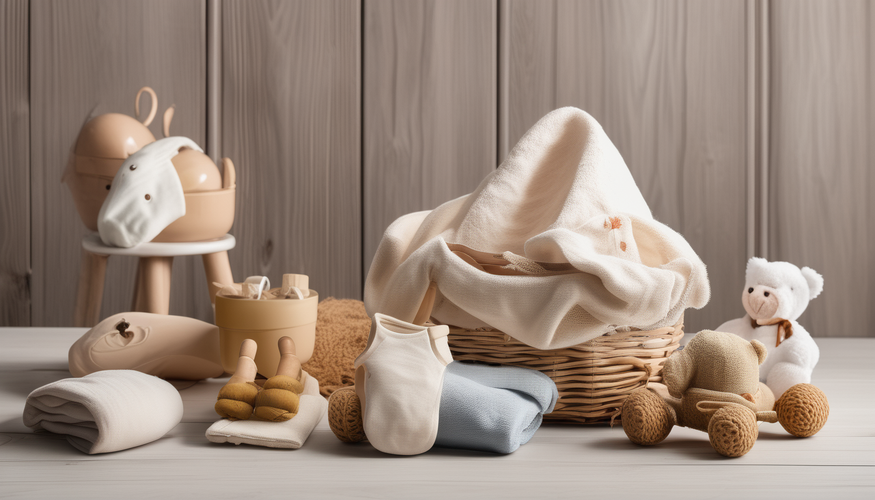
Your sister-in-law offers her old car seat before the baby is born. You say no, and she is a little offended. Two weeks later she brings over three bin bags of baby clothes and you take every last onesie. Both decisions are right, and the whole trick of a baby registry is knowing which item belongs in which pile.
Buy these new, every time
Car seats sit at the top. You cannot see whether a used seat has been in a crash, sat in a hot car for four summers or been recalled. The plastic weakens with age even when it looks perfect, and the safety standard it was built to may no longer be the current one. If the price of a new seat is the problem, ask for it as a group gift from the grandparents. That is what it is there for.
The cot and its mattress go in the same pile. Safe sleep depends on a firm mattress that fits the frame without a gap, and an older cot can fail today's checks on bar spacing and drop sides. Buy the high chair new as well, so you know every strap and latch is there and works.
Breast pumps, bottles and dummies are a hygiene question. They go in your baby's mouth or on your body, and no dishwasher cycle gets an old pump completely clean. Baby monitors and other electronics are worth buying new too, mainly so the thing works at three in the morning when you need it.
Happy to take second-hand
Clothes, first and most of all. A newborn wears a size for about six weeks, so the second-hand Petit Bateau bodysuit has often been worn twice. Take the bin bags, and take the bigger sizes too; you will be into them sooner than you think.
Board books survive anything, including being chewed, and cost a euro or two at any car boot sale. Soft toys are fine as long as they go in the washing machine and have no eyes or buttons that could come loose.
Furniture is the category that saves the most money. A changing table, a wardrobe or a set of storage boxes barely shows wear after one child, and a solid wooden changing table that cost 400 new goes for 80 on a local marketplace. Check it stands square and nothing is loose or cracked.
Look closely before you say yes
Prams and pushchairs can be bought used, and a Bugaboo at a third of the price is a good deal if the brakes bite, the wheels run straight and the harness shows no fraying. Fold it and unfold it yourself before you pay.
Swings, bouncers and play mats are fine if the motor and the frame work and the fabric is intact. Test them, and look up the exact model for recalls before you commit. The same goes for baby baths and bath seats: check for cracks, then clean them with a baby-safe disinfectant before the first use.
How to buy second-hand without regret
Ask the seller how old the item is, how many children have used it and whether it has ever been in an accident. A seller with nothing to hide answers straight away.
Look the item up on the manufacturer's site or a government recall list before you buy. A bouncer can look immaculate and still have an open recall for a strap that comes loose.
Haggle, especially when you take several things from one seller. Most parents would rather clear the garage in one go than sell a pram and a cot separately, and a bundle price is normal. Count in the cost of cleaning too. A pram that needs a professional clean at 40 is less of a bargain than it looked.
Sort the registry into three piles
Before you share the list, split it into buy new, happy to take second-hand, and needs checking first. Relatives then know whether to open their wallet or their attic, and nobody spends 250 on a pram you would gladly have taken used from a cousin.
Say it plainly when you share it: "the car seat and the cot we want new, everything in the wardrobe can be hand-me-downs". Most relatives are relieved to pass on the things their own children have outgrown instead of driving them to the tip.
You can create a baby registry and put all three piles in one list, so friends and family see what you need and how you would like to receive it.