What teenagers actually put on a Christmas list in 2026
What turns up on teenagers' Christmas lists this year: second-hand tech, Vinted vouchers, one big experience, and gifts that get them off the phone.
3 min read
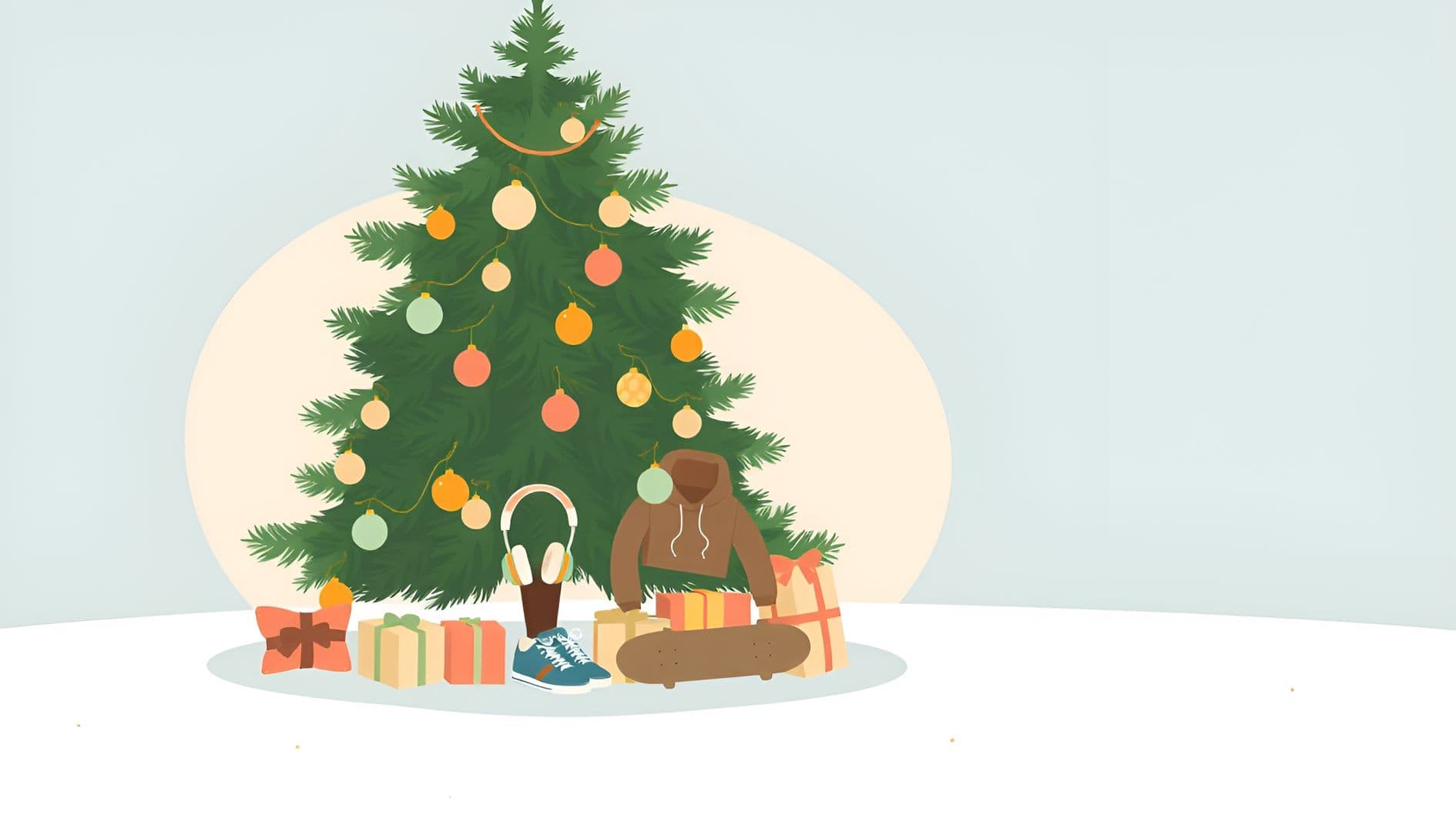
Buy a fifteen-year-old the newest phone and there is a fair chance it stays in the box while they keep using the cracked one with all their photos on it. The lists teenagers write in 2026 look different from what their parents expect. Fewer big gadgets, more second-hand, more things to do, and a surprising number of items that are all about getting away from a screen.
The tech is second-hand or for making things
The flagship phone is rarely on the list any more, partly because they already have one and partly because they know what it costs. What does turn up is a refurbished pair of AirPods or a refurbished Switch from Back Market (a console comes with a guarantee and costs a good deal less than new), a Wacom One tablet for drawing, a MIDI keyboard such as the Akai MPK Mini for making music in free software, or an instant camera. The Instax Mini 12 is cheap to buy, but every shot costs money in film, which is part of the appeal. Each photo is rare enough to matter.
Solar chargers and biodegradable phone cases appear on some lists, and a teenager who cares about that will say so. Do not add them on their behalf.
Vinted vouchers instead of new clothes
Clothes are still the biggest category, and what has changed is that teenagers would rather pick them themselves, second-hand. A Vinted gift card or a budget for the local vintage shop sits higher on many lists than anything from a brand. Depop works the same way for the ones who also want to sell.
Next to that come things for changing what they already own: an embroidery kit, fabric paint, a pack of enamel pins or patches for a jacket. Clothing rental subscriptions come up now and then. Be careful with those, because a monthly fee is a bad gift once January arrives and someone has to keep paying it.
One big experience instead of five small parcels
The clearest change is that many teenagers now put one bigger thing on the list for the family to go in on together, instead of five small ones. Concert tickets are the obvious example, and with what a big arena show costs these days, sharing the cost is the only realistic way. Also on lists: a beginner's climbing course, an escape room for six friends, a photography workshop, a weekend away by train with a friend. Camping gear counts too, if a summer trip without parents is already being negotiated.
If several relatives want to give the same experience, they can chip in together on the list instead of each handing over an envelope. The teenager then does not have to bring it up twice.
Things that help them switch off
Teenagers are more open about stress and sleep than most adults were at their age, and it shows on their lists. A year of Headspace or a similar app, a proper notebook and pens for journaling, a book they picked themselves and not one about mindfulness chosen by an adult. The best idea in this group is the analogue alarm clock (Braun makes the classic one, and it is not expensive). The phone can then charge in the kitchen overnight, which does more for sleep than any pillow.
Blackout curtains, a good pillow and a puzzle or a board game for the evenings belong in the same group. Skip the blue-light glasses. The evidence for them is thin, and they are the first thing to disappear into a drawer.
Let them write the list, then share it
None of this tells you which of these a particular sixteen-year-old wants, and guessing from trends is how a teenager ends up with a journaling set they never open. The simplest thing is to have them create a Christmas list themselves, with links and prices, and share it with the grandparents and aunts when they ask. Everyone reserves what they buy, nobody doubles up, and four people can go in on the concert tickets together.