What your child actually needs for back to school
The back-to-school list that gets used: basics that last the year, when a laptop is needed, the bag that matters, homework habits and the budget.
3 min read
Every August the same question comes up in the stationery aisle: does your child need this, or will it be at the bottom of a drawer by October? A back-to-school list works when it is built around what gets used every week until June. The glitter gel pens are a separate decision.
The basics that hold up all year
Start with notebooks with stiff covers, the kind that survive nine months of being stuffed into a bag. Pick pens and pencils that feel right in your child's hand; a Stabilo that suits a small grip makes homework less of a fight than any planner will.
Ring binders with clear dividers, a block of sticky notes and a pencil case that actually closes do more for organisation than they get credit for. A 30 cm ruler, a decent eraser and highlighters in three colours cover most subjects. Buy two of the cheap things, because the first one is lost by the autumn break.
Check before you buy a laptop
Ask the school first. Many hand out devices or require a specific model, which makes a separate purchase a waste of money. If a laptop or tablet is genuinely needed, choose one sized for the age: a Chromebook does everything a twelve-year-old needs, and the most powerful machine on the shelf is a gaming console with homework on it.
Headphones with a microphone, a hard case and a small desk lamp are worth adding. A calculator for the right year is often on the school list too; check which models are allowed in exams before buying one, because the wrong one is banned on the day it matters.
The backpack matters more than the outfit
Comfortable clothes beat anything from the trend pages. Pick pieces that mix through the week, and buy trainers with real support if your child walks to school or has PE twice a week. Nobody remembers the first-day outfit by Wednesday.
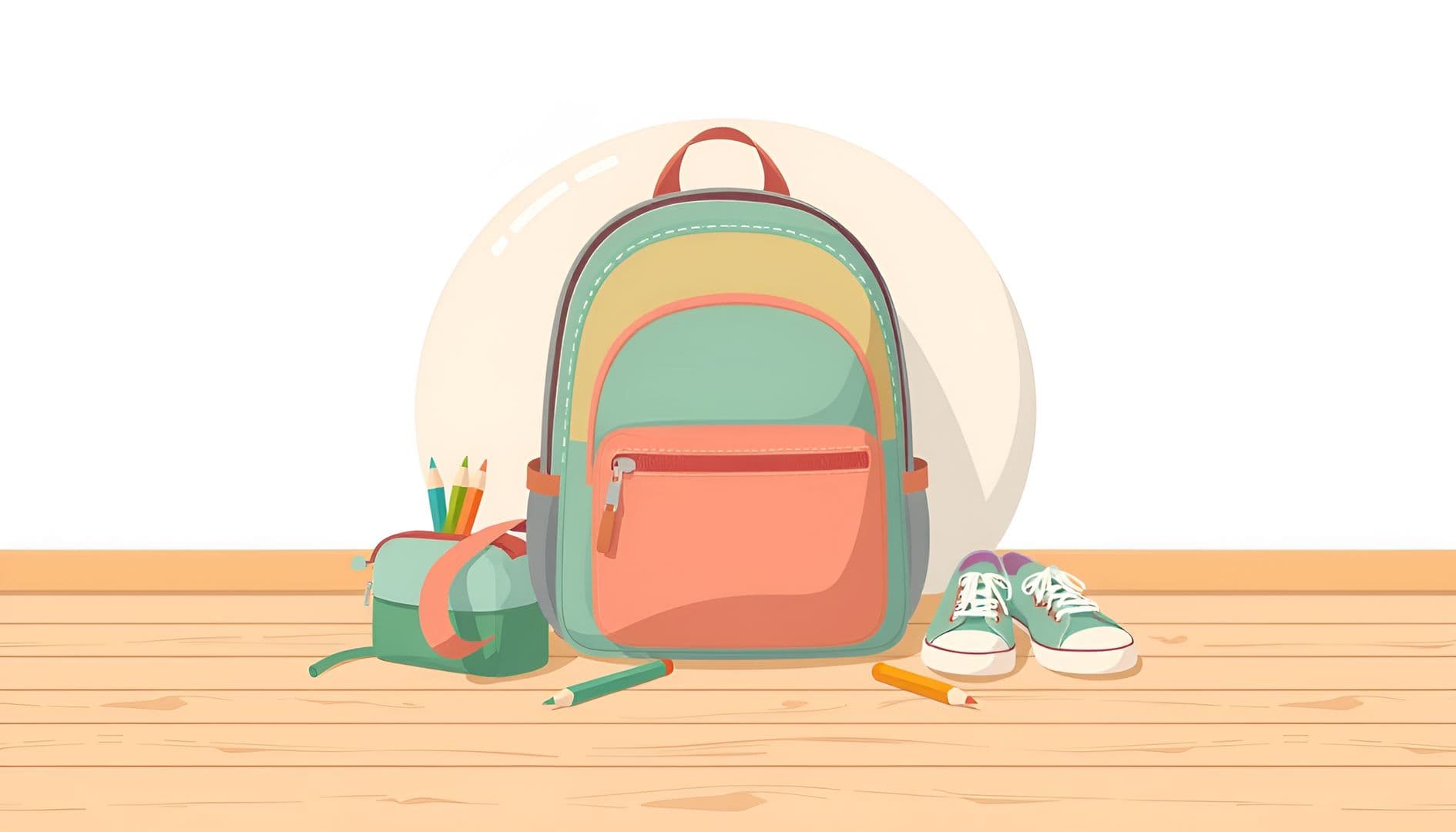
A good backpack is worth the extra €30. It has to carry heavy books all year without the straps giving out or the child's back paying for it. Padded straps, a chest clip and enough pockets to keep things separate are the points to check. A water bottle and a lunch box matter too, and only the ones your child likes get used, so let them choose those.
Small systems that make homework easier
A fixed homework spot, even one end of the kitchen table, changes how easily the work gets done. A small whiteboard on the fridge for due dates helps as well. A weekly planner made for students builds some sense of time, as long as it stays simple. Colour-coded systems with six categories get abandoned within a fortnight.
Getting more out of the budget
Go through what is already in the house before buying anything. Last year's barely used supplies usually need a wipe and a new label. Shop the sales, and keep in mind that the cheapest option is often the one you buy twice. Basics that last the full year are the better deal.
Let your child help write the list. They learn to separate what they need from what they want, and children look after the things they chose themselves far better than the things that appeared in their room.
If a birthday falls anywhere near the start of term, the backpack, the headphones and the good pencil case make sensible birthday gifts, and grandparents like buying things that will be used every day. You can create a birthday wishlist for your child, put the school items on it, and share it with the family before the shops get busy.